A Comprehensive Guide for a Visual Inspection of Your Chain Rigging
Chain is one of the most utilized rigging components in the industry. It is known for it’s durability, strength, and resistance to cuts, but that does not mean it is impervious to damage. That is why regular visual inspection of your chain rigging is required before you use. But do you know what to look for when you are doing a visual chain rigging inspections?
Knowing what to look for, and why you are looking for it, is vital in knowing what equipment is safe to use and what is not. Damage on your chain rigging can be subtle, but with a little extra guidance, it is a lot easier to spot deficiencies within your systems.
What Kind Of Visual Clues Are You Looking For During a Visual Inspection of Your Chain Rigging?
Caution: our examples use extreme versions of damage for the purpose of instruction. Please note that damage might be less dramatic, but none the less severe.
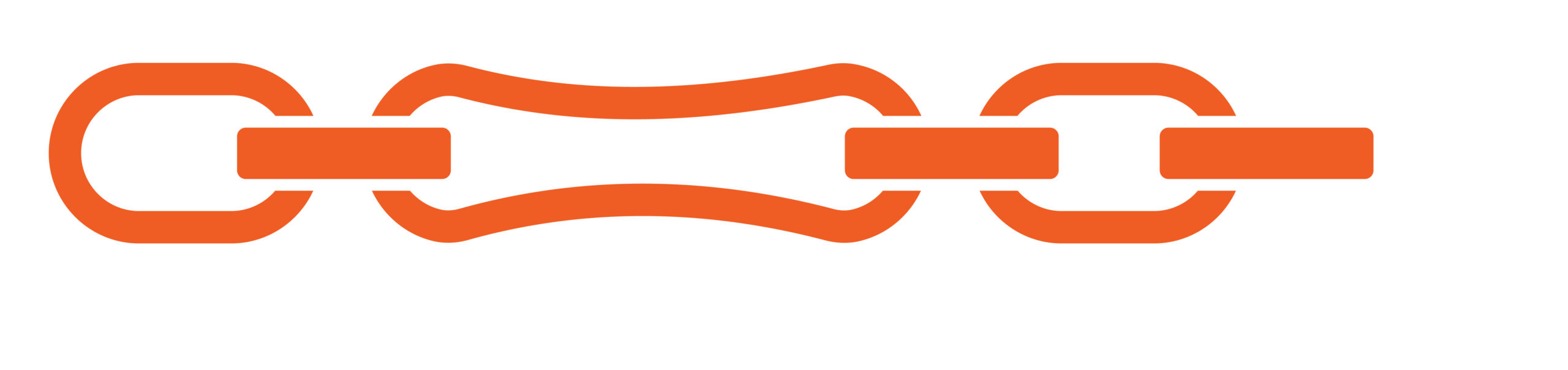
Stretches Links
A sign that the chain is being placed under an inappropriate load causing the link to stretch. this will cause the length of the chain to bend inwards as the material at its connecting points is pulled out. You can use new links as a reference point for this if you need.
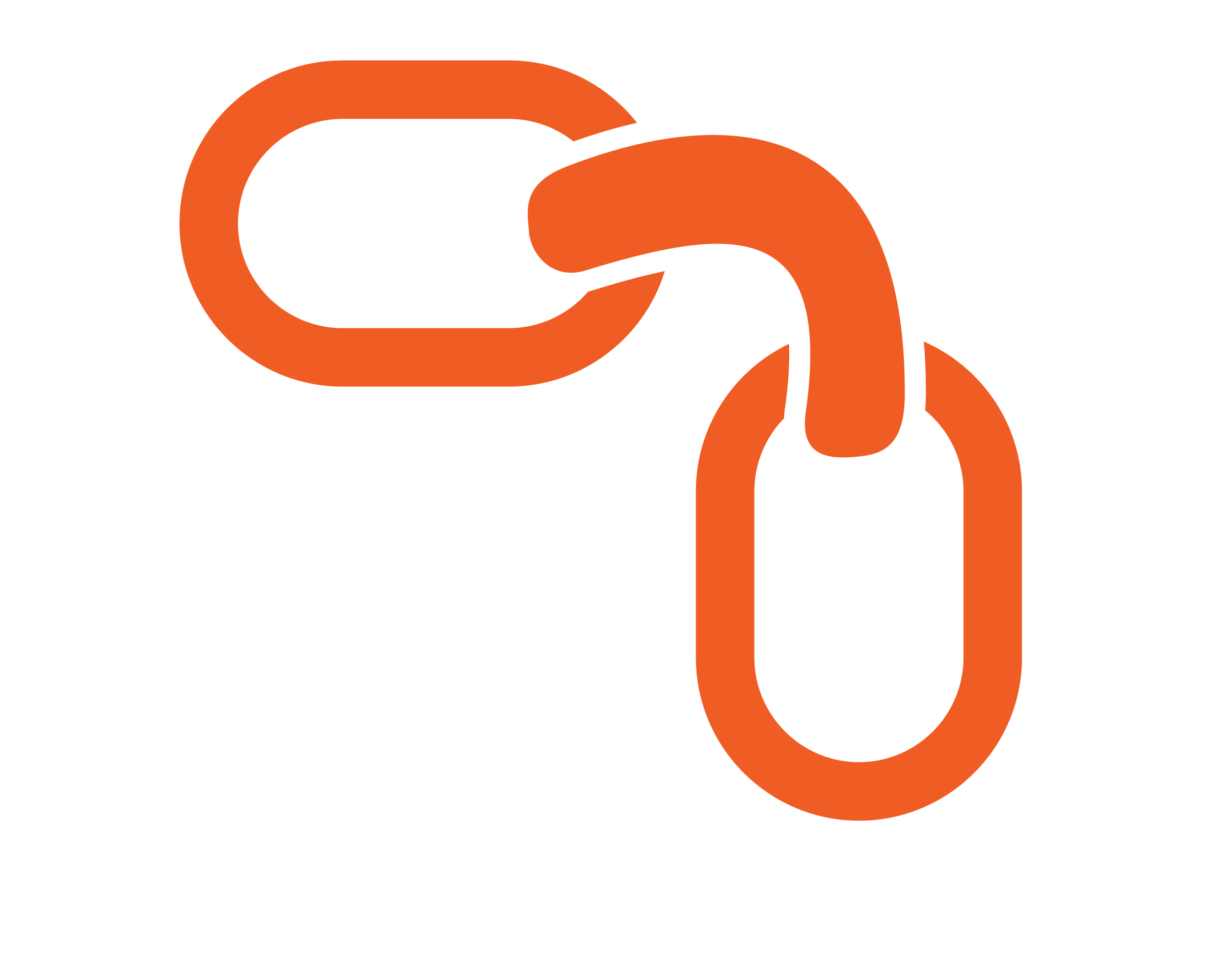
Bent Links
It does not matter if your link is bent to a 90 angle or a 45 angle, in both cases it is no longer appropriate for use. Bending in the links of your chain can happen for a number of reason, but, depending on your load, it is a good sign there are hard edges placing a lot of pressure on the side of the link.
Cracked Links
We all get old at some point, and this runs true for your rigging. If you are noticing cracking in your links it is a sign that it is coming to the natural end of its service life.

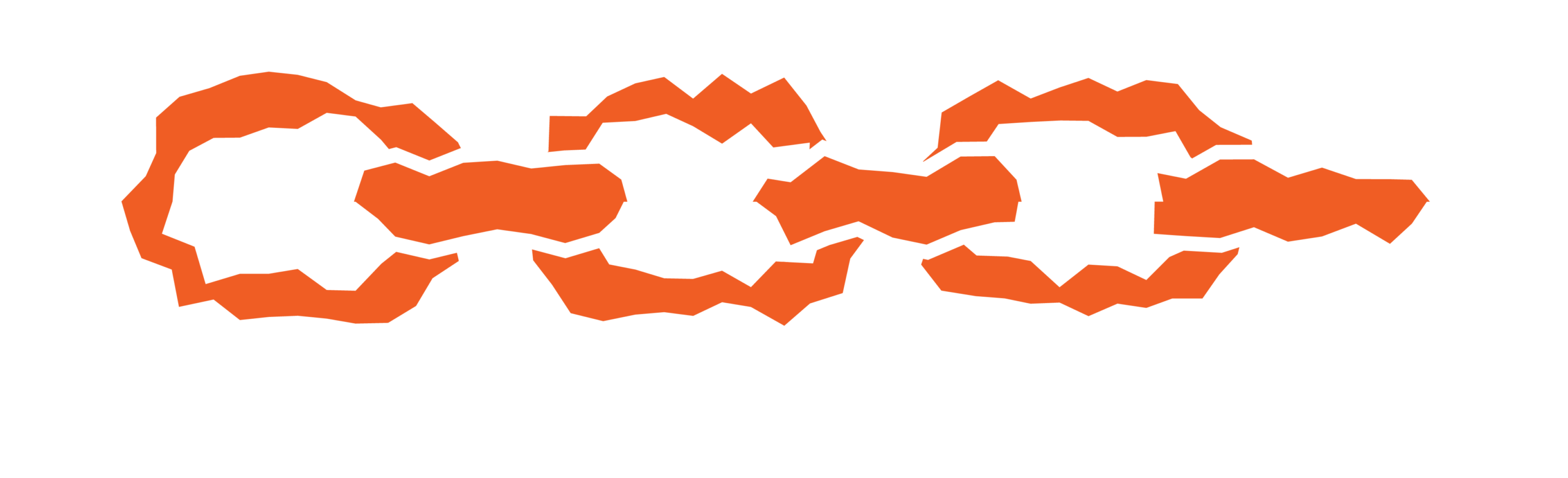
Worn Links
Hard work can often put a lot of stress on your equipment, and when accounting for weather, chemical exposure, and sunlight it is inevitable that your equipment will start to wear down. When doing a visual inspection, look for excessive rust, weather warping, and chemical warping. This will be an indicator that your rigging is no longer safe for use.
What Do You Do When You Identify Damaged Rigging?
When you identify one of the above issues, it is your responsibility to remove that rigging from service. Canyon Rigging recommends using a tag-out lock-out system to ensure your safety. A tag-out lock-out system works by identifying the equipment that is no longer fit for use, tagging it with an identifier so that coworkers and employees can identify the issue, and locking it into a secure area so it cannot be accidentally used.
What Do You Do If You Are Unsure If Your Rigging Is Damaged?
Call your local rigging specialist. Rigging specialists, like Canyon Rigging, offer rigging testing, recertification, and inspections. We are able to do more extensive tests to ensure your equipment is acceptable for use. This can include testing using hydraulic test beds, onsite testing, and more! If you are in need of your rigging to be inspected check out our Rigging Certification!
So Your Chain Sling is Damaged, Now What?
It is time to get yourself something new! I know it can be tempting to keep using your equipment even when you have identified an issue, but when a sling or restraint fails it can be significant damage or even injury. So don’t wait until its too late. Replace your rigging as soon as you identify an issue.
Want to learn more? Check out our 7 advantages of round